
A lifetime of radioHalf a cup of coffeeA whole lot of soul
From a homemade transmitter in a Florida bedroom to some of America’s biggest radio stations. The story of JoJo “Cookin’” Kincaid.
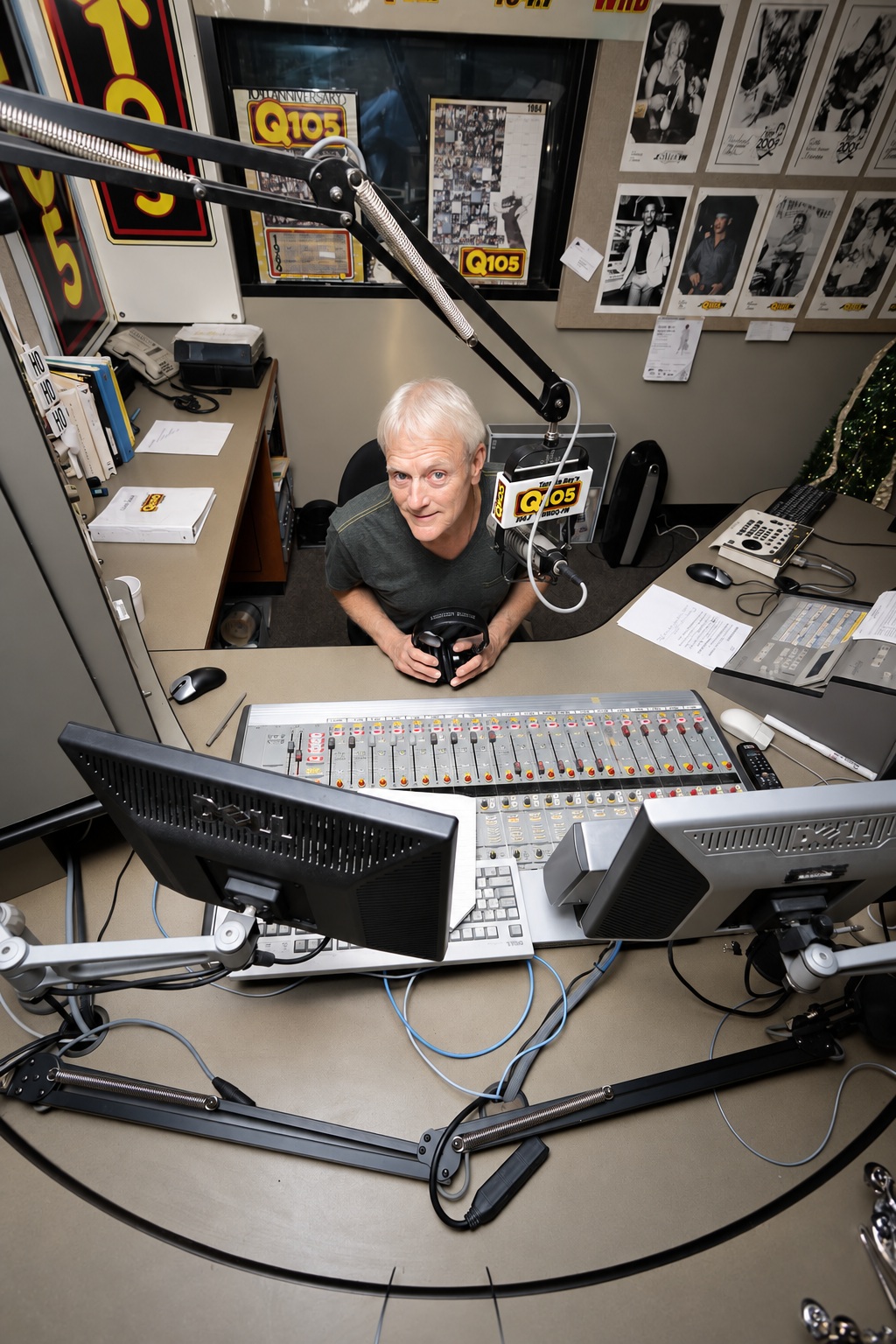
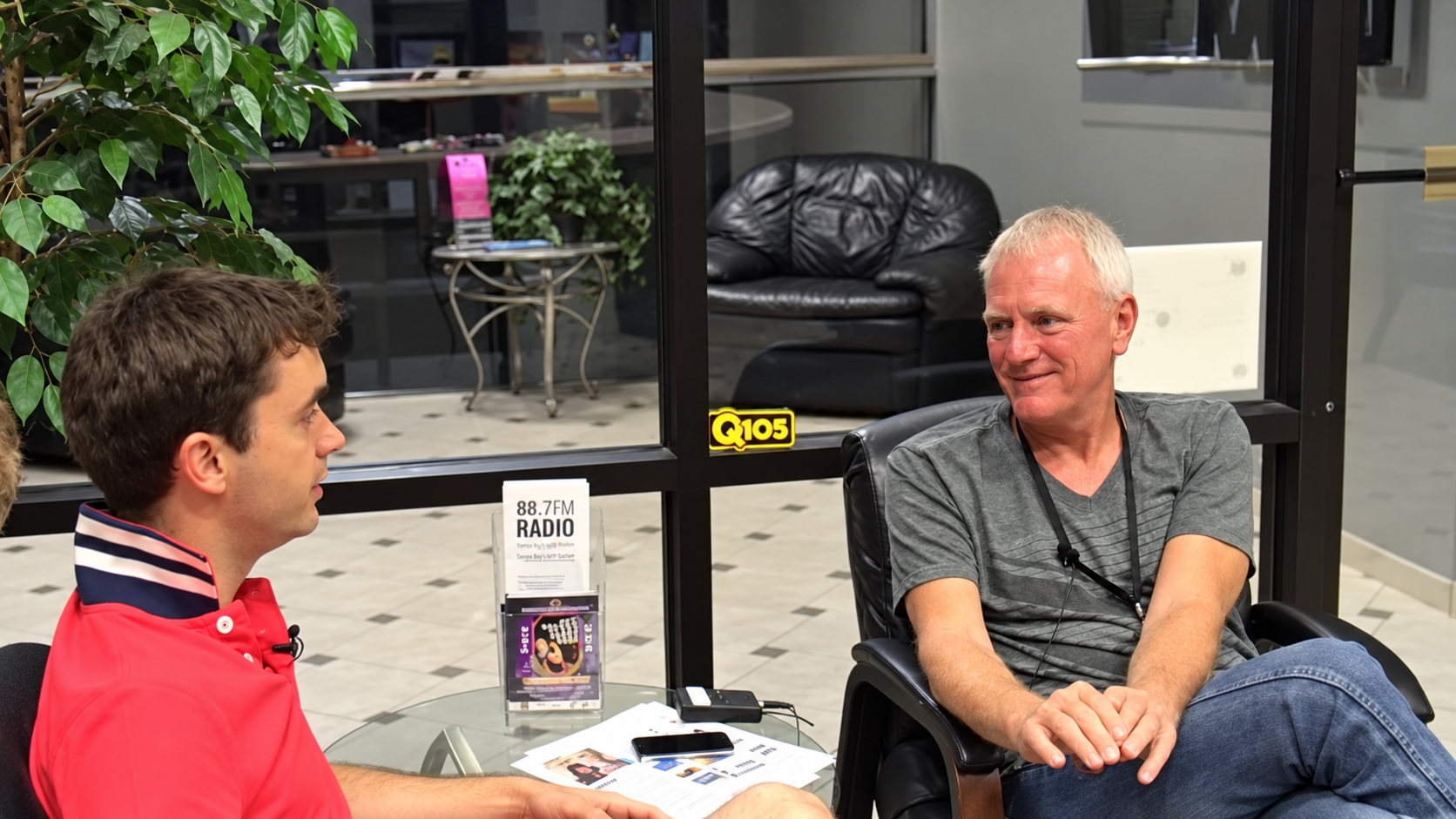
In 2012, Dutch radio presenter Joey Koeijvoets travelled to Tampa Bay to meet the man whose extraordinary studio performances had inspired him from across the Atlantic.
One phone call, one ticket to Tampa Bay
For Joey Koeijvoets, the fascination began thousands of miles from Florida.
While working as a DJ at 3FM, a national radio station in the Netherlands, he watched the California Aircheck videos made by Art Vuolo, featuring JoJo Kincaid. These recordings offered a view inside an American radio studio — and a close look at a presenter who seemed to become part of every record he played.
JoJo caught drumbeats with his voice, slipped between musical phrases and landed precisely before the vocals. The energy was extraordinary. To a fellow radio enthusiast, it was irresistible.
Eventually, Joey picked up the phone and called Q105 in Tampa Bay. Was JoJo there?
Before he knew it, they were talking. After a friendly conversation, JoJo gave him his mobile number and invited him to call if he was ever in the area.
Joey didn’t need to be told twice. He booked a flight to Tampa Bay straight away.
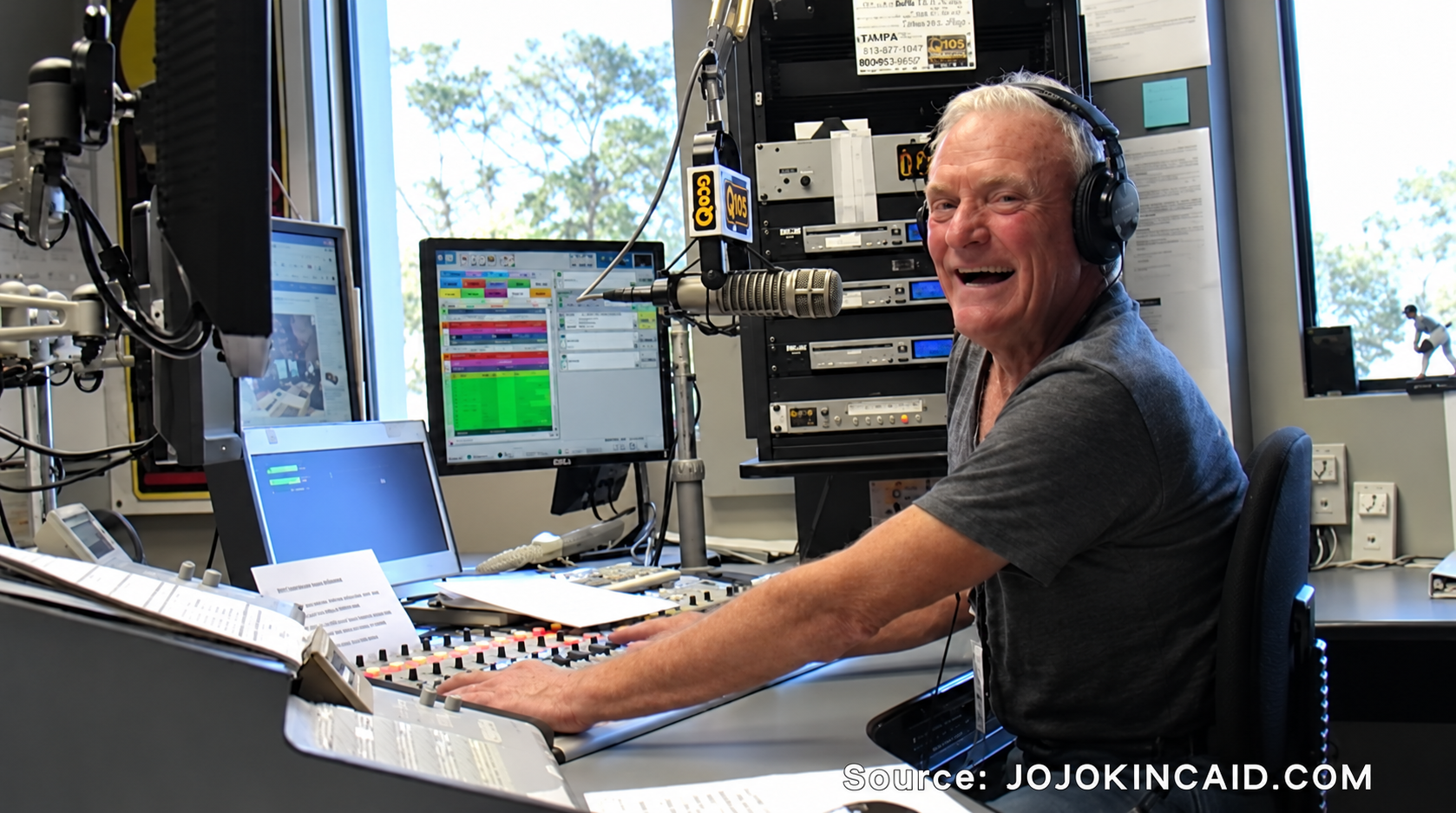
With his video camera packed, he travelled to Florida to hear the story behind the performances. In the Q105 studios, the conversation revealed someone whose enthusiasm for radio had survived more than four decades in the business.
Asked who he was, JoJo offered a simple introduction: “I am a music lover, people lover, radio lover. That’s me.”
The boy who put his hometown on the air
Long before the big stations, there was a bedroom in Gainesville, Florida.
At six, JoJo was taking apart radio receivers with help from an older neighbour. By eleven, he had built his first transmitter using instructions from a magazine. For a school science project, he placed a receiver across the room and demonstrated his voice travelling through the air.
But reaching the other side of a classroom — or a couple of neighbourhood blocks — was never going to satisfy him for long.
He studied electronics, salvaged components from discarded radios and televisions, and mowed lawns to pay for the parts he still needed. By sixteen, he recalled, his homemade station covered his hometown.
The studio was in his bedroom. He had two turntables, a reel-to-reel tape recorder, a microphone and a mixer borrowed from the rock band in which he sang. Outside, a wire antenna climbed into a tall pine tree.
He was particularly proud of how good it sounded. Then, on 2 January 1968, someone knocked at the door.
The raid that helped launch a career
JoJo had just returned from school and switched on his station for the afternoon. Within minutes, federal officials were at the house asking to see his transmitter. The broadcasts were over.
His parents knew he built electronic equipment in his room. They had not understood quite how far his signal travelled.
The incident also reached the local newspaper. What might have remained an embarrassing teenage adventure became an unexpected calling card.
When JoJo later approached a local radio station looking for work, the manager remembered him.
“You’re that guy, that kid that got caught.”A LOCAL STATION MANAGER, AS RECALLED BY JOJO
JoJo’s answer was immediate: “Yeah, that’s me. When do I start?”
In March 1970, during his final year of high school, he began getting paid to make radio. On school days, he finished classes at 11.30am and had thirty minutes to reach the station before his noon show.
Some classmates refused to believe the voice on the radio belonged to him. For JoJo, it was already the beginning of the life he wanted.
Learning to make the music move
His early career took him through Gainesville, Daytona Beach and Ocala. At eighteen, he was already a morning presenter and programme director at a small station.
He learned by listening closely to experienced broadcasters: local presenters who had worked in larger cities, and distant stations whose signals arrived at night from places such as Boston and Chicago.
He listened for timing, personality and the things happening “between the lines”. At first, he borrowed a little from what he heard. Gradually, those influences developed into his own style: energetic, playful and closely connected to the music.
His background as a musician mattered. He had started playing guitar at twelve and joined a rock band as a teenager. Records were something he understood from the inside. That relationship would become the heart of his radio work.
“The music is my inspiration, it really is.”JOJO KINCAID · THE 2012 INTERVIEW
An old bandmate, an unexpected reunion
Radio was not JoJo’s first experience of performing. As a teenager, he sang in a rock band, sharing the stage with musicians whose lives would later take very different directions.
One of them was bass player Marty Jourard, who went on to join The Motels, the band known for hits including “Only the Lonely” and “Suddenly Last Summer”.
Years later, while JoJo was working at KISS 108 in Boston, The Motels visited the station. Busy with his duties as assistant programme director, he walked into the studio and found himself looking at a familiar face.
For a moment, they studied each other. Then came the recognition: Marty. Joe. The radio interview became an unexpected reunion between former bandmates.
“It is such a small world in entertainment.”JOJO KINCAID · THE 2012 INTERVIEW
Paradise on Q106
As his career grew, JoJo moved into bigger markets, with stops including Birmingham, St. Louis and Boston. In San Diego, at Q106, the setting seemed almost perfect.
Looking back during the interview, he recalled the excitement of a new station becoming a major success. The music, promotions and presentation all contributed to an atmosphere in which he could thrive.
Watching an old studio recording, he recognised the happiness immediately. “The station was number one, the music was great, we had high energy presentation,” he said. “How can you not like that?”
Those studio videos would also carry his performances far beyond the station’s broadcast area. In the Netherlands, Joey and other radio enthusiasts watched closely, fascinated by the precision beneath the apparent spontaneity.
Where did that energy come from? “The music is my inspiration, it really is,” JoJo explained. Then he added: “That and one half cup of coffee.”
Any more, he joked, and he might go through the ceiling.
“I will always love the music.”JOJO KINCAID · THE 2012 INTERVIEW
Every beat is an opportunity
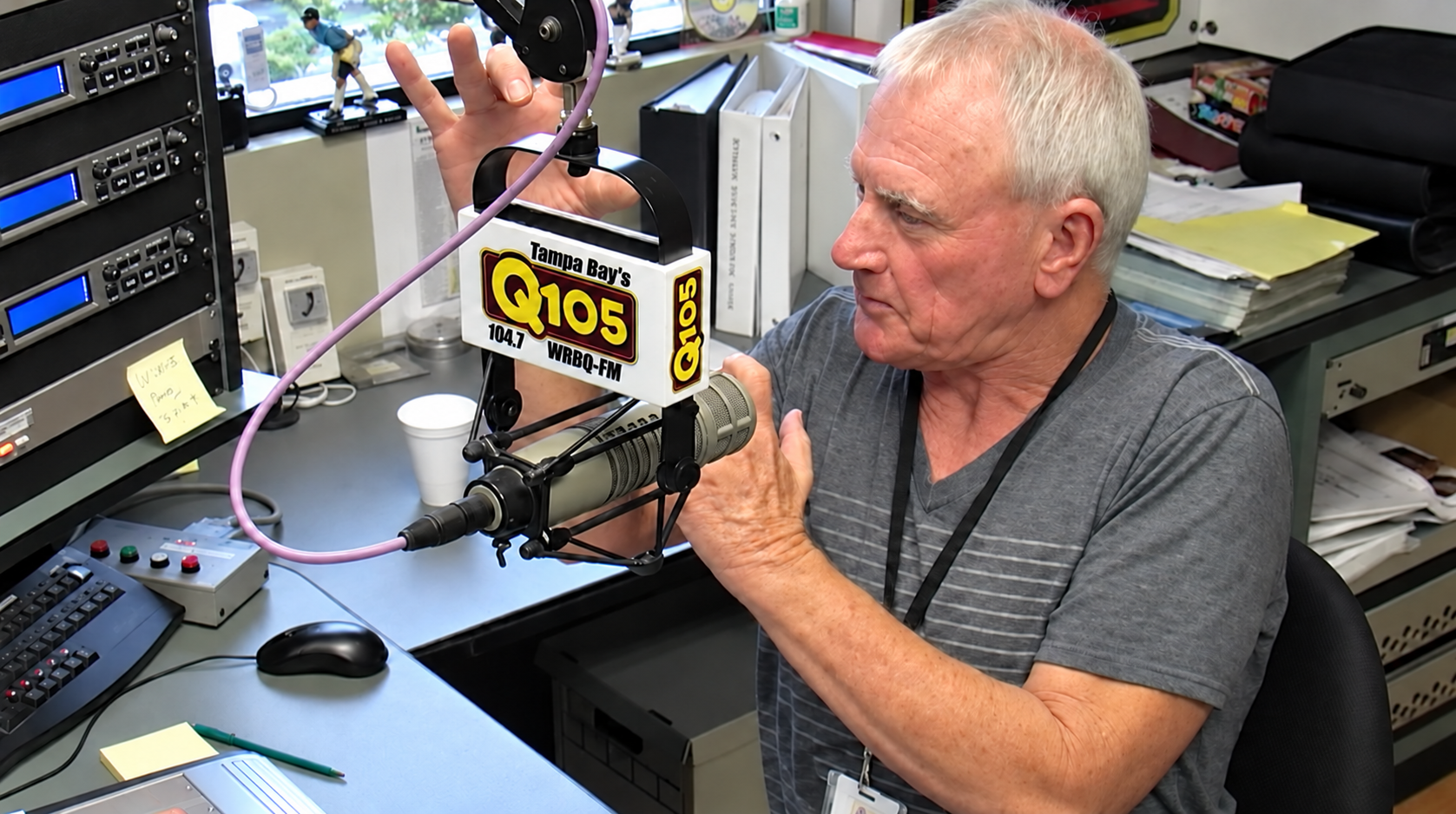
To watch JoJo work is to see someone anticipating what comes next.
“I know when the vocal is coming, I know when the drums hit, and I use that relationship with the music as part of my style.”
He understood why listeners responded. They could hear that he loved the same records they loved. His performance created a connection through that shared enthusiasm.
But high energy did not mean being loud all the time. A driving rock record might invite him to turn up the intensity. A gentle ballad required him to slow down, lower his voice and find a different way through the music. Knowing when to make that change was part of the craft.
He called his approach “momentum radio”: keep moving, make the transitions count and carry the listener into the next element.
And, he added, don’t talk too long.
Why he said no to New York
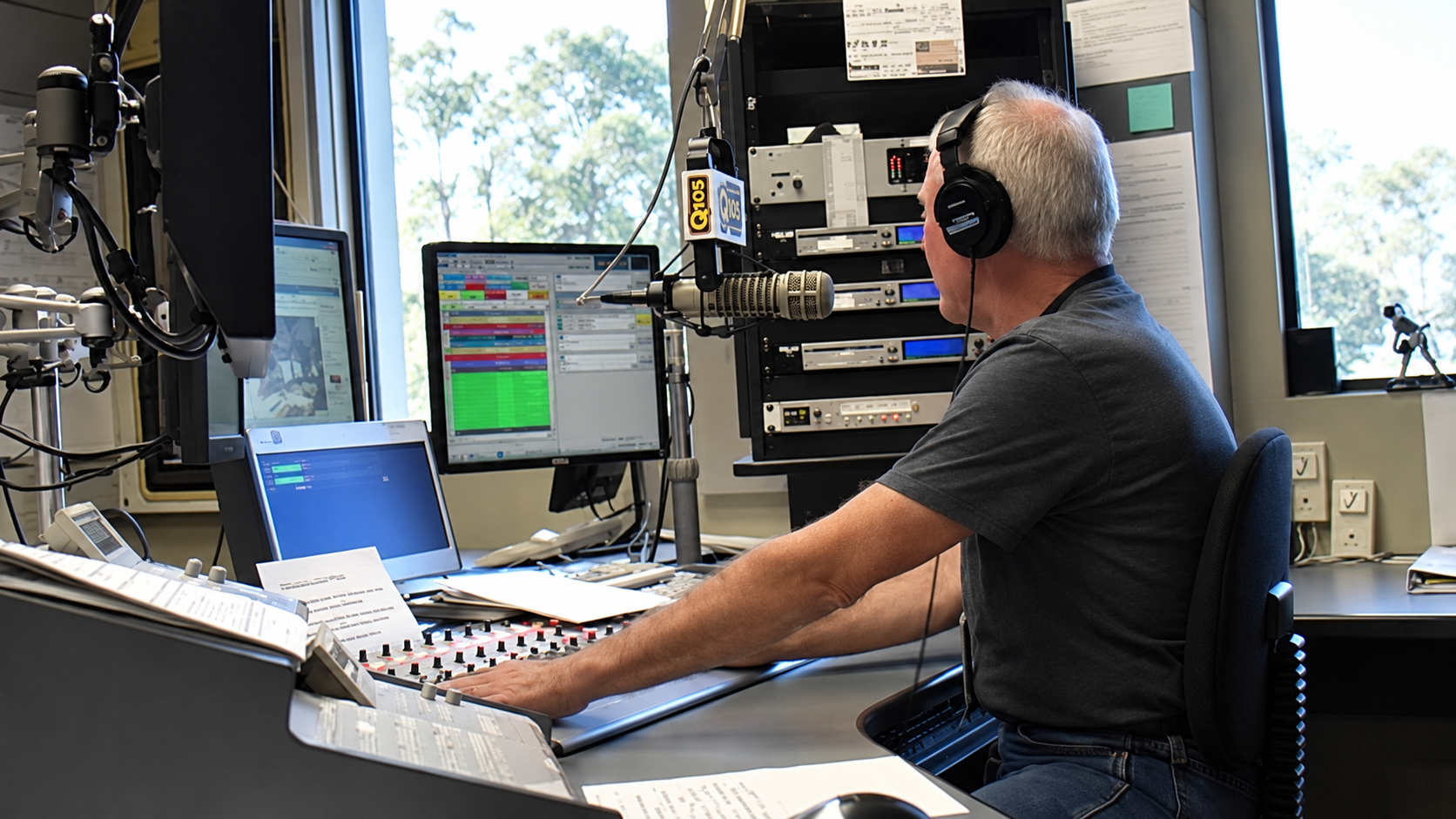
For someone who had once dreamed of reaching the biggest markets, JoJo made some surprising decisions. In the interview, he recalled turning down Z100 in New York twice. He also declined opportunities at KIIS-FM in Los Angeles.
By then, he had a home in San Diego, a well-paid job he enjoyed and a young family. Moving to a bigger city came with a cost that went beyond money.
“I was living a dream.”JOJO KINCAID
He sometimes wondered what those other jobs might have brought. But wondering was different from regretting.
“My career has been magical anyway.”
He had worked in places he enjoyed and earned a living doing something he loved. Another famous station name was not enough to make him uproot his family.
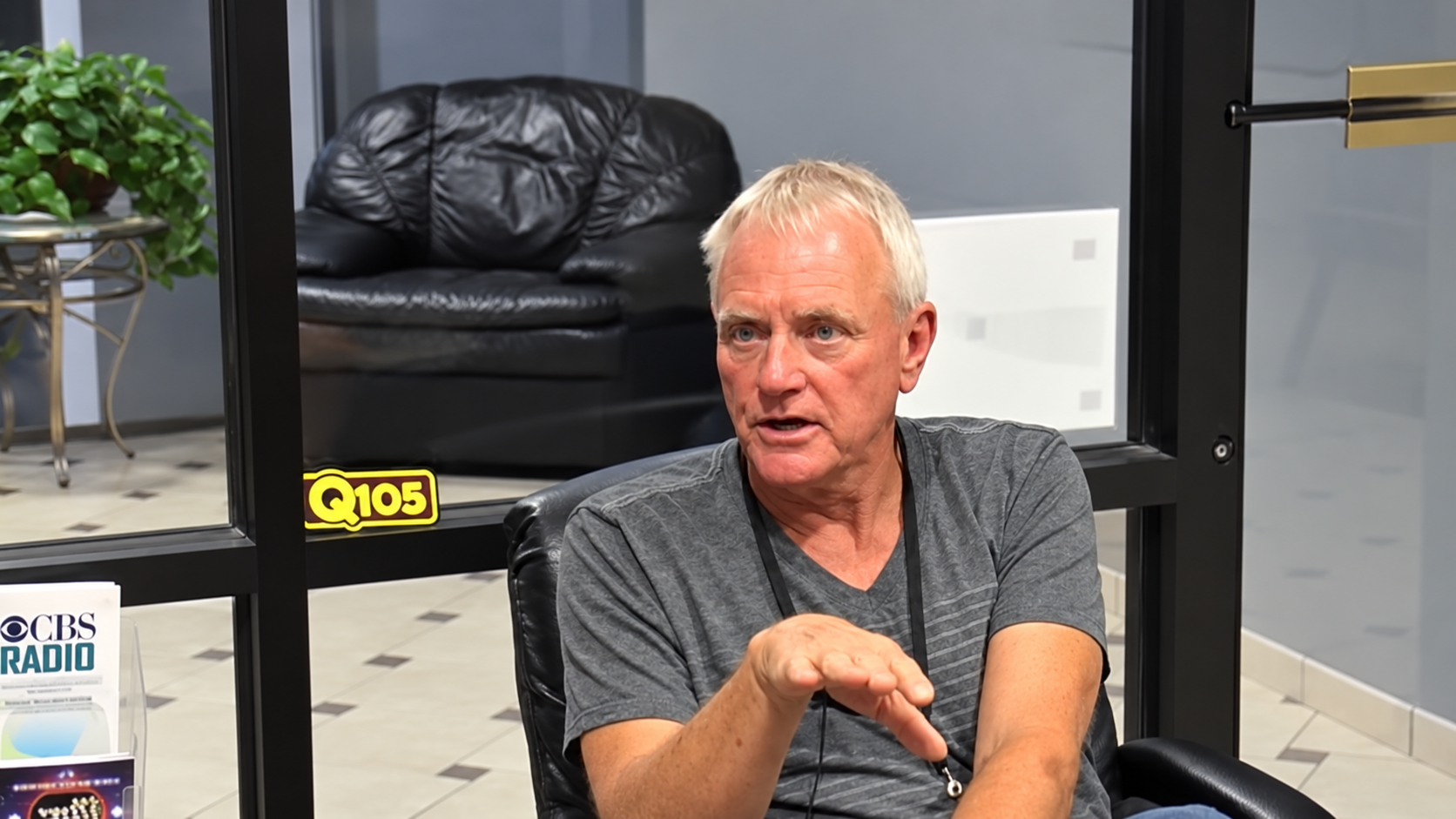
“My career has been magical anyway.”JOJO KINCAID · THE 2012 INTERVIEW
To his children, he was simply Dad
To Joey and other radio enthusiasts, JoJo was someone to admire and learn from. At home, his children saw things rather differently.
They knew their father was on the radio. They had grown up with it. The excitement surrounding his work belonged mostly to the adults outside their own circle of friends.
One daughter, Hannah, briefly entered the business herself. JoJo recalled that she applied to the company where he was working in San Francisco. He made his position clear: she should be hired on her own merits.
She worked in promotions before moving into a job outside radio. For her, the station had been a useful beginning rather than a lifelong destination.
“They were so used to it.”JOJO KINCAID · THE 2012 INTERVIEW
Five markets, one very busy day
Leaving San Diego did not end JoJo’s appetite for a challenge. His subsequent work took him back to Boston, then to Detroit, and into a way of broadcasting that reached several cities at once.
While working in Detroit, he built a routine around his home studio. He presented a live morning show in Chicago through an ISDN connection, recorded programmes for three other stations during the day, and then headed into the Detroit studio for his live afternoon show.
The schedules were demanding, but he remembered enjoying the possibilities. A radio personality no longer had to be physically inside every station that carried his voice.
“I was on the air at about five different markets every day.”JOJO KINCAID · THE 2012 INTERVIEW
Coming home for his mother
In 2008, a different family decision brought JoJo back to Florida.
His mother had cancer. She had been the person who believed in his radio ambitions when others doubted them, and he wanted to be near her.
He left San Francisco with a plan to record programmes from a home studio in Florida. Instead, shortly after arriving, he received a call about an opening at Q105 in Tampa Bay.
The job placed him around two hours from his hometown. During the week he could work in Tampa; at weekends he could visit his mother and help her. He continued making those journeys until she died.
Speaking in 2012, his gratitude for the opportunity was still clear. Returning to Florida had also reunited him with relatives he had rarely seen during decades working elsewhere.
“I’m back home in Florida.”
“I feel like Jojo Kincaid.”JOJO KINCAID · THE 2012 INTERVIEW
The morning the music stopped
Not every memory was about the excitement of a great record or a successful station. Asked about 11 September 2001, JoJo recalled being on air in San Diego when his colleague Maureen came into the studio with news that a plane had hit the World Trade Center.
At first, they thought it might have been an accident. When the second plane struck, their understanding changed.
The music stopped. They opened the phone lines and gave listeners room to express what they were feeling, before turning to CBS network news coverage.
In a city with a large military community, the conversation carried particular weight. It was a very different kind of radio moment: being there for people when the familiar rhythm of the day had disappeared.
“We stopped the music, we opened up the phone lines, and went talk.”JOJO KINCAID · THE 2012 INTERVIEW
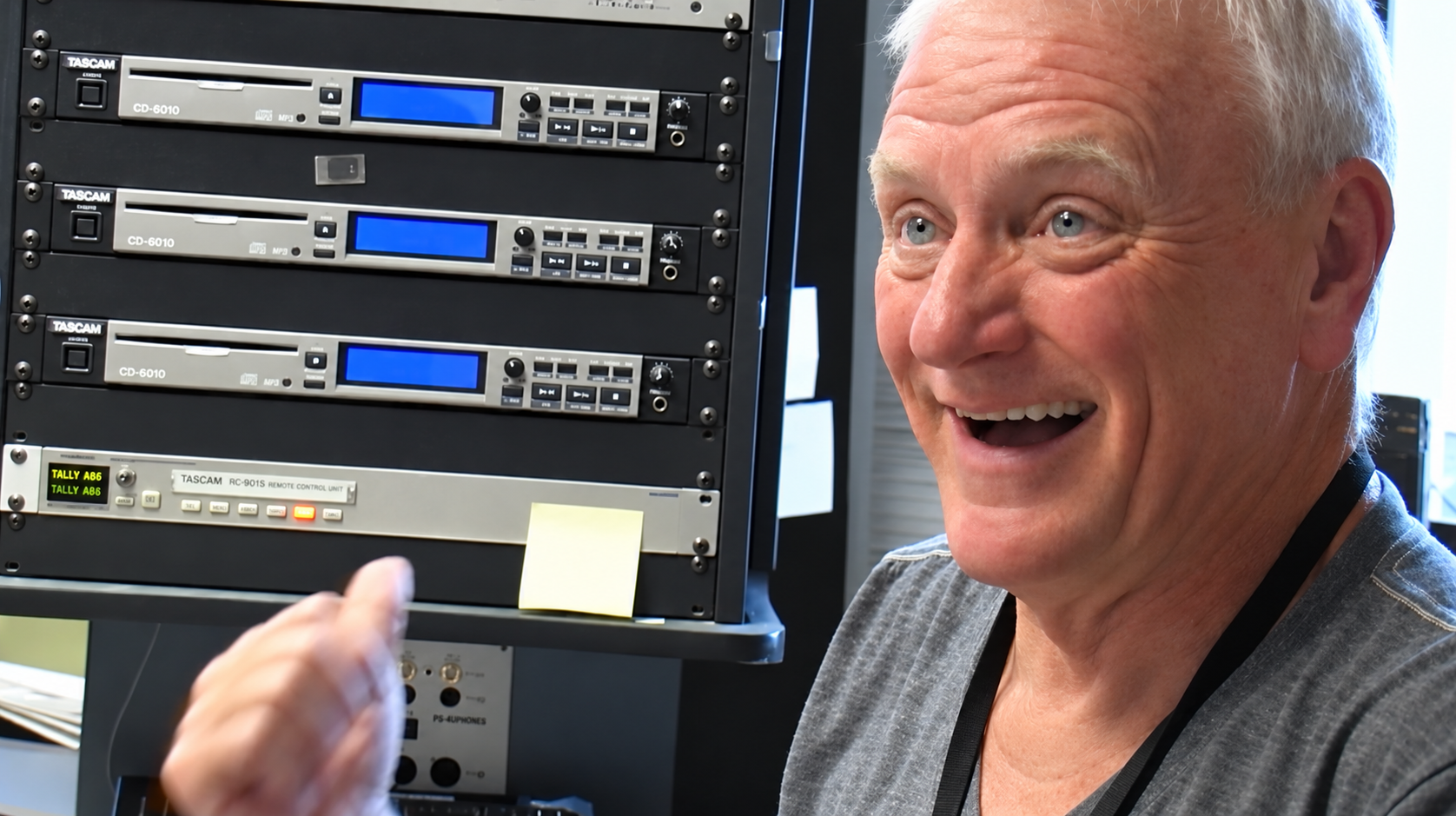
“I feel like JoJo Kincaid”
By the time Joey visited, JoJo had turned sixty.
The number seemed to interest him far less than the work. He was healthy, enjoying his shows and helping younger radio personalities develop. Holidays could make him miss the studio.
Asked whether he felt sixty, he answered: “I feel like JoJo Kincaid.”
The listeners gave him reasons to keep going. Some told him they climbed into the car exhausted after work, switched on the radio and found their mood lifted by his music and enthusiasm.
For JoJo, that was the job.
“This has to come from inside your soul.”JOJO KINCAID
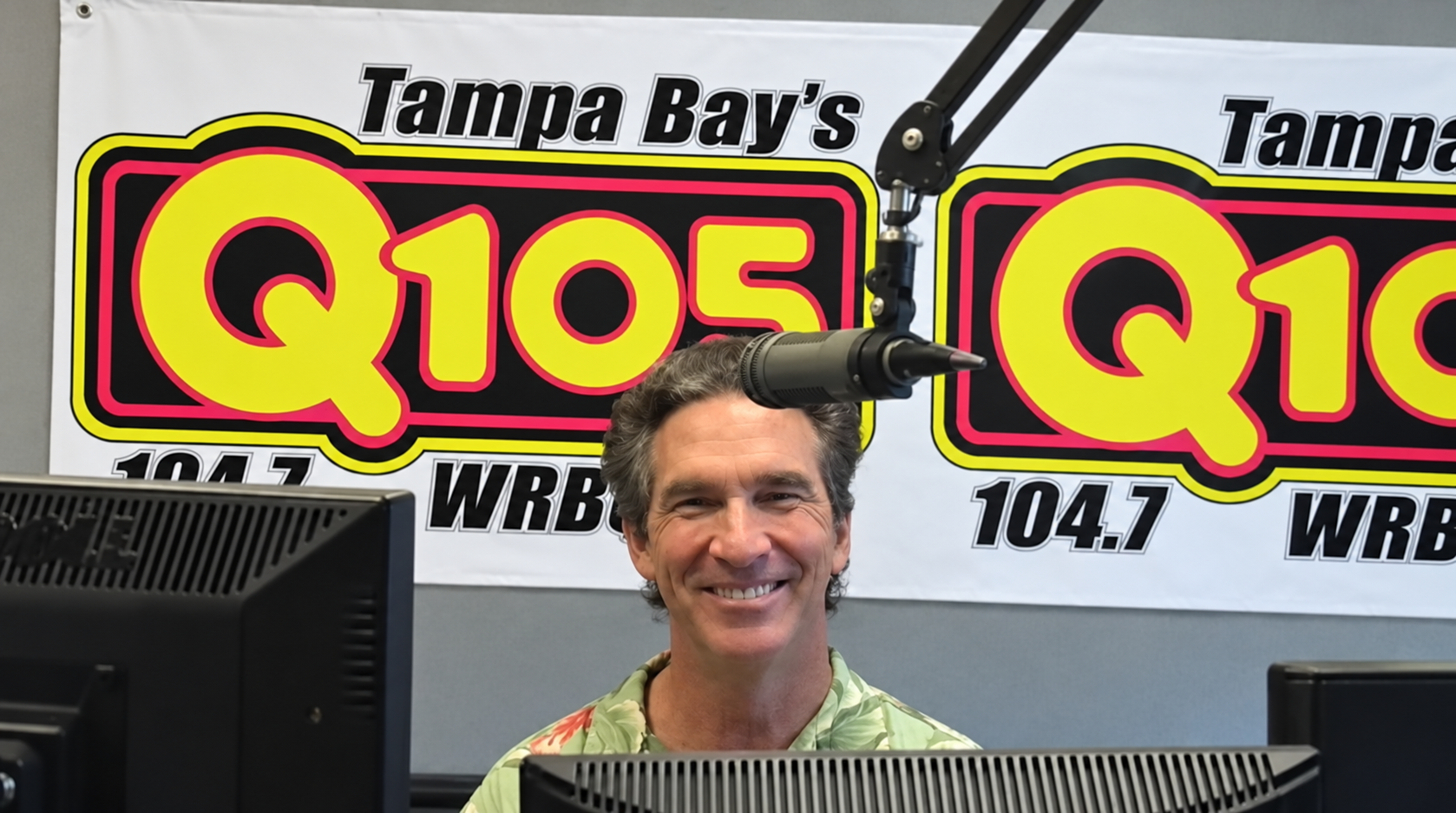
Bobby Rich: the friend who sounded like family
Listening to JoJo and traffic presenter Bobby Rich on Q105, Joey heard a connection that seemed to belong to a lifelong friendship.
The reality surprised him. JoJo said he had not known the Florida broadcaster before returning to the state in 2008. Their easy relationship had developed much more recently than it sounded.
Bobby brought decades of experience and an understanding of how to leave space for another personality. JoJo brought the jokes, reactions and musical timing. Together, they made the traffic reports feel part of the show.
JoJo also stressed that Bobby was an accomplished presenter in his own right, capable of covering his afternoon programme when he was away.
Bobby also speaks in the video. He looks back on Q105 in the 1980s and explains how family brought him back to the Tampa Bay area after a job in West Palm Beach. Traffic reporting gave him a way to return to Q105 and be near his children.
“The family’s back together and we’re having a good time.”BOBBY RICH · THE 2012 INTERVIEW
His role went beyond traffic: Bobby explained that he also covered shows when JoJo or Mason Dixon took time off. That familiarity helped make the conversations on air sound so natural.
“Bobby and I get along like brothers, like we’ve known each other for 20, 25 years.”JOJO KINCAID · THE 2012 INTERVIEW
After the hits came the blues
JoJo’s affection for the records he played was clear throughout the interview. But what did he choose when the show was over and he was listening purely for himself?
The answer was electric blues. He named Stevie Ray Vaughan, Buddy Guy and Joe Bonamassa among the musicians he enjoyed, and talked about the guitar he kept at home.
Having played many of Q105’s songs when they were current hits, he knew that catalogue intimately. Blues offered another place for his enthusiasm as a listener and musician.
He could distinguish between personal taste and programming a station for a broad audience. The music he loved at home did not have to become the format he presented at work.
“Good old electric blues.”JOJO KINCAID · THE 2012 INTERVIEW
A little connection to the Netherlands
There was also an unexpected family connection between the American presenter and his Dutch visitor.
Towards the end of the first part of their conversation, Joey asked about JoJo’s Dutch ancestry. JoJo confirmed that he had a Dutch great-grandmother.
The exchange was brief, but it added a personal detail to a meeting that had begun with radio videos watched on the other side of the Atlantic.
“Yes, I have a Dutch great-grandmother.”JOJO KINCAID · THE 2012 INTERVIEW
You can study the timing. The soul has to be yours.
Joey knew that presenters far beyond America watched JoJo’s videos for inspiration. Some tried to recreate what they saw.
JoJo understood the fascination, but his advice was clear: the feeling had to come from within.
His own ambition had survived a closed-down pirate station, early doubters and the demands of a career spent moving between cities. He had wanted to make radio before he was a teenager, and that desire had carried him through.
“You do have to have dedication, energy and love of this business to make it.”
For Joey, the journey to Tampa Bay began with admiration for a remarkable performance. The interview revealed the lifetime behind it: a boy building transmitters, a musician learning every note, a father choosing his family and a broadcaster still finding new possibilities in familiar songs.
The records might stay the same. JoJo’s challenge was to make the next moment his own.